High School Impact Series

Montclair Film’s High School Impact Series brings students to the theater to experience inspiring films designed to spark conversation, reflection, and deeper understanding. Each film is carefully selected for its ability to connect with curriculum areas such as social studies, language arts, science, STEM, and media literacy, while also fostering critical thinking, empathy, and civic engagement.

Each screening is followed by a conversation with the filmmaker or a content expert, giving students the opportunity to ask questions, explore real-world connections, and deepen their understanding of the film and its themes.

Thanks to generous grant support, qualifying under-resourced schools may attend free of charge through June 2027. Transportation stipends are also available.

Funding is limited and will be awarded on a first-come, first-served basis until all funds have been allocated.
Screening dates can be customized for groups of 60 or more students. Smaller groups are encouraged to inquire and may be paired with another school when possible.

Quick Info

Request More Information

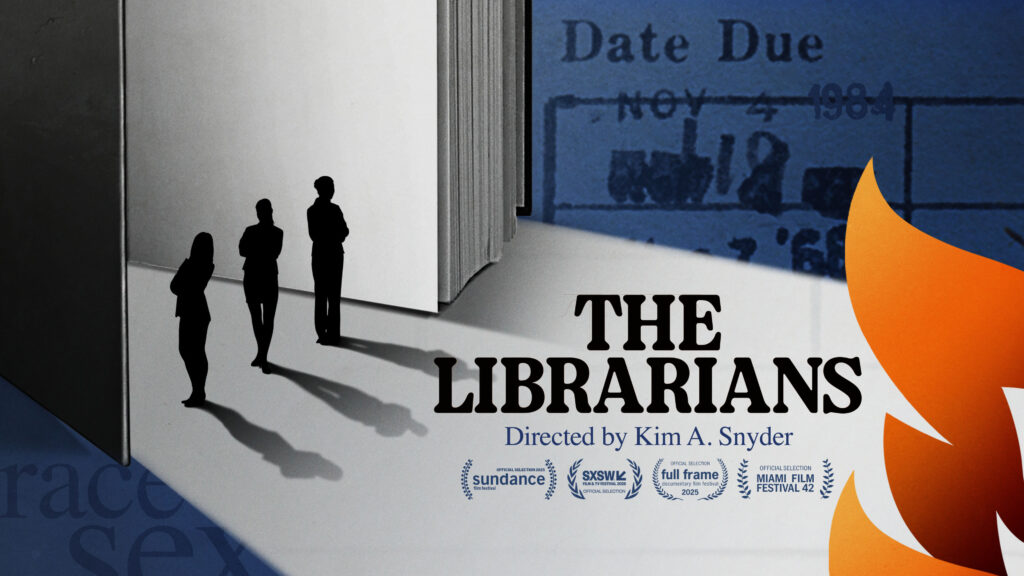
The Librarians

Across the U.S., school librarians are on the frontlines of the fight over book bans and free expression. THE LIBRARIANS follows educators who face harassment, threats, and even job loss for defending students’ right to read, as they confront efforts to remove books about race, LGBTQ+ identities, and American history. This urgent documentary explores the stakes for democracy, critical thinking, and the First Amendment in today’s classrooms.
  • Libraries and Librarians: Why are libraries important? What challenges did the librarians face?

  • Book Bans: Why do some people want certain books removed from libraries? Do you think books should ever be banned? Why or why not? Who should decide what books are available in schools and libraries?

  • Different Perspectives: Why is it important to have books with different ideas and viewpoints? How can reading different kinds of books help people understand others?

  • Personal Reflection: Did the film change the way you think about libraries or books? Explain. What is one thing you learned from the film? What are some ways you could get involved in your local public school system, your local library, or your local legislative process? 

  • The Power Of Reading: Can you share a story about how reading a book changed your mind about something? What happened? What did you learn, or how did your perspective change?


Social Studies:

  • Civic Engagement and Democratic Participation: The Librarians demonstrates how local governments, school boards, and community members influence decisions about library collections and access to information. The film encourages students to examine the rights and responsibilities of citizens in a democracy while exploring how public policies are shaped through civic participation and respectful debate.
  • Freedom of Expression and Intellectual Freedom: By exploring the rise of book challenges and censorship, the film introduces students to the principles of the First Amendment and the importance of protecting access to diverse ideas. These topics connect to lessons on constitutional rights, public institutions, and the balance between individual freedoms and community concerns.

Language Arts and Media Literacy:

  • Analyzing Argument and Perspective: Students can evaluate the viewpoints presented by librarians, parents, educators, and community members, analyzing how evidence, reasoning, and personal experiences shape different perspectives. This supports critical reading, speaking, listening, and argumentative writing skills.
  • Media Literacy and Evaluating Information: The film encourages students to examine how information is shared through news media, social media, and public discussions. Students can practice identifying reliable sources, recognizing bias, evaluating evidence, and considering how media influences public opinion and civic discourse.

Social and Emotional Learning (SEL):

  • Empathy and Respect for Diverse Perspectives: Through the personal stories of librarians, students, and families, the film promotes empathy by encouraging students to consider experiences and viewpoints that may differ from their own. These discussions strengthen perspective-taking, respectful communication, and collaboration.
  • Critical Thinking and Responsible Decision-Making: The Librarians challenges students to consider complex ethical questions surrounding access to information, free expression, and community values. The film supports thoughtful decision-making by encouraging students to weigh evidence, consider multiple viewpoints, and engage in respectful dialogue about difficult issues.

Library and Information Literacy:

  • Understanding the Role of Libraries: The film highlights libraries as essential community resources that provide access to information, support lifelong learning, and encourage intellectual curiosity. Students gain a deeper understanding of how library collections are developed and the responsibilities librarians have in serving diverse communities.
  • Research Skills and Information Access: By examining how information is selected, challenged, and accessed, students strengthen information literacy skills, including locating credible sources, evaluating materials, and understanding the importance of equitable access to knowledge in both print and digital environments.
  •  

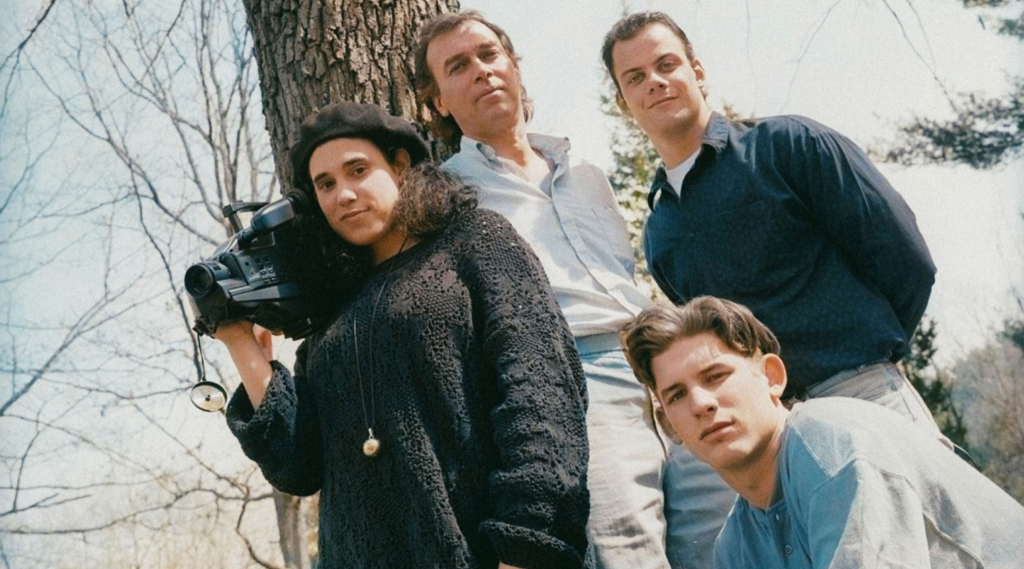
Teenage Wasteland

In the early 1990s, a group of high school students in Middletown, NY, uncovered a toxic waste dumping conspiracy—complete with mafia connections and local corruption—threatening their community’s drinking water. Guided by a teacher who championed “civic courage,” the students used camcorders to investigate, confront officials, and create a documentary that drew national attention. TEENAGE WASTELAND revisits the students 30 years later, showing the power of youth activism and the lasting impact of speaking truth to power.
  • Environmental and governmental corruption: How did students confront local threats to their community’s safety?
  • Youth empowerment in civic life: What does “civic courage” look like when practiced by young people?
  • Speaking truth to power: How did students use investigative journalism to hold leaders accountable?
  • Impact of storytelling: How did their documentary catalyze change at the local level?
  • Student activism and legacy: What lasting impact can youth-led action have on a community?

Social Studies and Civics:
• Investigative journalism’s role in local democracy; youth-led civic activism
English / Language Arts:
• Analyzing documentary structure, narrative voice, and persuasive techniques
Media Literacy / Journalism:
• Evaluating sources, ethical reporting, storytelling choices
Environmental Science:
• Understanding water contamination, public health hazards, and community responses

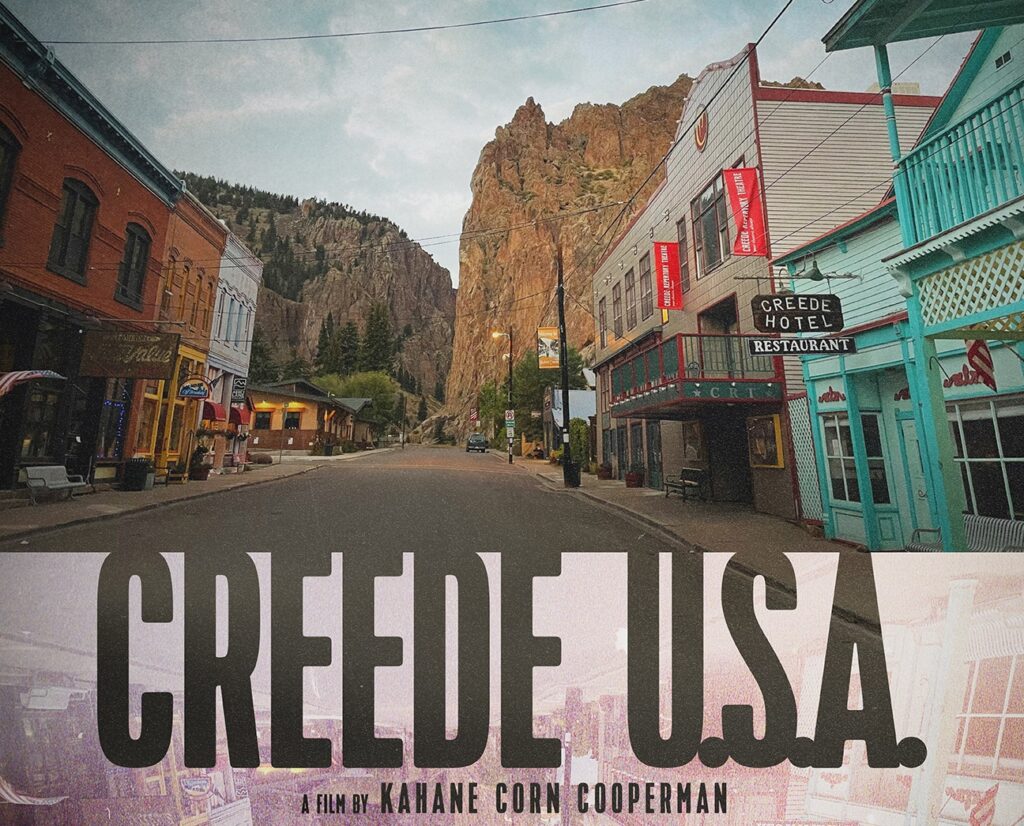
Creede U.S.A.

In a remote Colorado mining town, a summer theater troupe was invited decades ago to revive the local economy—bringing progressive ideas into a deeply conservative community. Today, CREEDE U.S.A. captures a microcosm of America as residents debate guns in schools, LGBTQ-inclusive health education, and the values they want to pass to the next generation. Amid tense town hall meetings and personal stories, the film highlights moments of empathy and dialogue, showing how communities can discover common ground and learn to engage across divides.

  • Civic dialogue and polarization: How can people with deeply opposing beliefs find ways to engage constructively rather than withdraw or attack?
  • Guns in schools and local safety: How do small communities navigate polarizing debates about school security and the Second Amendment?
  • LGBTQ+ inclusion in health education: Why do local curriculum decisions so often become flashpoints in national culture wars?
  • Role of the arts in civic life: Can cultural institutions like a local theater company build understanding across political divides?
  • Identity and change: How does a rural town preserve its traditions while adapting to new ideas and demographics?

Social Studies and Civics:
• Local governance, grassroots democracy, and community responses to national issues
Health and Wellness / Social-Emotional Learning:
• LGBTQ+ inclusion and its impact on student well-being and school culture
Contemporary Issues / Sociology:
• Political polarization, cultural identity, and rural/urban divides
Arts and Humanities:
• Public art and theater as tools for civic engagement and dialogue

Majority Rules

MAJORITY RULES tackles two of our nation’s most pressing questions: How did the American electoral system become so dysfunctional, and can changing the way we vote transform democracy? Following Alaska’s groundbreaking experiment with ranked-choice voting, this film explores the challenges and opportunities in modern elections—especially relevant as cities like New York explore new voting methods.

  • Electoral System Dysfunction:
    • How did the American electoral system become so dysfunctional?
    • Can changing the way we vote transform our entire system for the better?
  • Ranked-Choice Voting:
    • What are the benefits and drawbacks of ranked-choice voting?
    • How does ranked-choice voting compare to traditional voting methods in terms of fairness and representation?
  • Political Division and Reform:
    • How might election reforms like those in Alaska influence political division and voter satisfaction?
    • What are the arguments for and against implementing such reforms nationwide?
  • Impact on Campaign Strategies:
    • How do election reforms change the strategies politicians use to campaign and win elections?
    • What new skills and approaches must candidates develop to succeed under these new rules?
  • Public Perception and Acceptance:
    • How do citizens perceive these new voting systems?
    • What are the challenges in gaining public acceptance for election reforms?

Social Studies and Civics:

  • Electoral Systems and Reforms: Majority Rules provides a detailed examination of various electoral systems, particularly ranked-choice voting, offering a real-world context for understanding different electoral reforms. This aligns with civics curriculum that focuses on the mechanisms of voting and democratic participation.
  • Political Influence and Public Policy: The film explores the influence of political parties, interest groups, and media on public policy and opinion, serving as a practical example for civics courses that discuss the formulation and impact of public policy.
  • Impact of Technological and Social Changes: By showing how changes in electoral technology and social dynamics affect the electoral process, the film connects with social studies standards related to contemporary societal changes and their implications for governance.


Language Arts:

  • Discussion and Collaboration: The complex issues raised in Majority Rules encourage deep discussions and collaborations among students, enhancing their ability to articulate and defend positions on electoral issues, which is a core skill in language arts education.
  • Critical Media Analysis: The film serves as a text for critical analysis, where students can explore how film techniques and narrative structures are used to convey complex themes about democracy and electoral integrity. This directly supports language arts standards focused on text analysis and media literacy.


Social and Emotional Learning (SEL):

  • Self-Awareness and Civic Responsibility: Majority Rules prompts students to reflect on their own beliefs and the implications of electoral reforms, supporting SEL objectives that emphasize self-awareness and ethical responsibility in a civic context.
  • Responsible Decision-Making: The film encourages students to think critically about the consequences of adopting new voting systems, fostering skills in responsible decision-making as they consider how such changes might affect democratic processes.

Common Ground

This hopeful environmental documentary examines regenerative farming as a solution to climate change, biodiversity loss, and community health. By spotlighting farmers, activists, and innovative practices, COMMON GROUND shows how students and communities can explore sustainability and environmental stewardship at the local and global level.

  • Sustainability and Regenerative Farming: How do sustainable agricultural practices impact soil health, biodiversity, and overall ecosystem resilience?
  • Climate Change Mitigation: What role does agriculture play in carbon sequestration and global climate change efforts?
  • Soil Health and Ecosystem Function: How do regenerative farming practices improve soil structure, fertility, and water retention, and why are these factors crucial for ecosystem sustainability?
  • Biodiversity and Species Interactions: How does enhancing biodiversity through sustainable farming contribute to more resilient ecosystems and the stability of food webs?
  • Food Systems and Sustainability: How do choices in agricultural practices influence global and local food systems, and what are the implications for food security and sustainability?
  • Economic and Social Implications: What are the economic benefits and social changes brought about by adopting sustainable farming methods?
  • Policy and Community Action: How can policy and community-driven initiatives support or hinder the transition to sustainable agricultural practices?

Science (Environmental Science, Biology, and Earth Science):

  • Climate Change and Carbon Sequestration: Common Ground connects to environmental science standards by illustrating how regenerative farming practices contribute to carbon sequestration, directly addressing the role of human activities in climate change and methods for mitigation.
  • Soil Science and Ecosystem Health: The film provides a practical example of how improving soil health—through practices like cover cropping and reduced tillage—enhances water retention, nutrient cycling, and plant growth. This supports biology and earth science curricula focused on soil ecosystems, nutrient cycles, and the importance of soil as a foundation for terrestrial ecosystems.
  • Biodiversity and Ecosystem Function: The emphasis on biodiversity in the film aligns with biology standards on ecosystems and species interactions, showing how diversified plant and animal life in agricultural settings leads to more resilient ecosystems and stable food webs.
  • Sustainable Agriculture as an Ecological System: The film’s exploration of regenerative agriculture as a holistic approach to farming aligns with standards that discuss ecosystems, human impacts, and sustainable resource management, illustrating the interconnectedness of agricultural practices and ecological health.


Social Studies (Geography & Economics):

  • Economic and Environmental Sustainability: The film ties into geography and economics standards by exploring the economic viability of sustainable agriculture, discussing how these practices contribute to both environmental sustainability and economic resilience.
  • Global Food Systems and Human Geography: Common Ground addresses curriculum goals in geography that examine the impact of human agricultural practices on global food systems, sustainability, and the geographic distribution of resources.


Civics:

  • Public Policy and Environmental Governance: The film relates to civics standards by exploring how government policies can support or hinder sustainable farming practices, emphasizing the role of legislation and public policy in environmental governance.
  • Community Engagement and Civic Responsibility: Encourages discussions on civic responsibility and the role of individuals and communities in advocating for sustainable practices, aligning with civics education on active citizenship and democratic participation.


Health Education:

    • Nutrition and Sustainable Food Choices: Demonstrates the connection between sustainable agricultural practices and the production of healthy, nutritious food, which aligns with health education standards focusing on the importance of food choices for personal and public health.

The YouTube Effect

THE YOUTUBE EFFECT delves into the rapid rise of YouTube and its transformation into a dominant global media platform, reshaping access to news, entertainment, and information. While it has enriched our lives, it also raises concerns about the propagation of misinformation and dangerous ideologies. This documentary offers a critical look at the challenges and responsibilities of our technology-driven era.

  • Media Influence and Social Change: How has YouTube reshaped the ways in which news, entertainment, and personal content are consumed and shared globally? What are the broader implications for societal norms and cultural dynamics?
  • Algorithmic Bias and Privacy Concerns: What role do YouTube’s algorithms play in content recommendation, and how does this influence user behavior and information consumption? What are the privacy implications of such data-driven platforms?
  • Impact on Mental Health: How does the pervasive presence of social media like YouTube affect mental health, particularly among younger users? What are the psychological effects of constant connectivity and media consumption?
  • Economic Models and Creator Ecosystem: How has YouTube created new economic opportunities for content creators? What are the challenges and pressures faced by those who rely on the platform for their livelihood?
  • Misinformation and Digital Literacy: How does YouTube handle the spread of misinformation, and what responsibilities do platforms have in combating fake news? What skills do users need to navigate and critically evaluate the content they encounter?

Social Studies and Civics:

  • Media Literacy and Digital Citizenship: The YouTube Effect serves as a key resource in media literacy education, providing insights into how digital media platforms influence public opinion and societal behavior. The film helps students understand the critical role of media in shaping societal views, emphasizing the need for digital literacy and responsible citizenship in the digital age.
  • Economic and Social Impact of Media: The film offers a look at how digital media platforms like YouTube have transformed the global economic landscape, highlighting the impact on entrepreneurship and the gig economy. It also explores the intersection of media with social issues and economic policies.
  • Political Influence and Public Policy: The film explores YouTube’s role in political campaigns, policy advocacy, and social movements, demonstrating how digital platforms can both enhance and distort public discourse. This aligns with civics curriculum that examines the influence of media on political processes and public policy.


Language Arts:

  • Critical Viewing and Analysis: By analyzing the narrative and presentation styles used in The YouTube Effect, students enhance their ability to critically view and interpret media. This includes understanding how film and digital media techniques can influence viewer perceptions and opinions.
  • Argumentative Writing and Discussion: The contentious issues presented in the film, such as algorithmic bias, privacy concerns, and media’s role in politics, provide rich material for students to develop argumentative essays and engage in structured debates.


Science and Technology:

  • Technology Ethics and Data Privacy: The technological underpinnings of YouTube, including data algorithms and privacy concerns, tie into curriculum areas focusing on technology ethics, internet safety, and the impact of artificial intelligence on individual rights and societal norms.


Health Education:

  • Mental Health Awareness: The film addresses the impact of constant media consumption on mental health, stressing the importance of developing healthy digital consumption habits, which is a critical part of modern health education.


Arts and Media Production:

  • Creative Expression and Media Production: The YouTube Effect provides a backdrop for students to explore how digital platforms have opened new avenues for creative expression and media production, encouraging an understanding of modern media dynamics in arts education.

Good Trouble

This moving portrait of civil rights leader John Lewis chronicles his lifelong fight for equality and voting rights. GOOD TROUBLE inspires students to consider how one person’s courage and persistence can change history and encourages reflection on the ongoing struggle for justice and representation.

  • Activism and Its Impact: What are the most effective ways to advocate for social change? How can individuals make a meaningful difference in their communities?
  • Voting Rights and Civic Engagement: How did John Lewis’ lifelong commitment to voting rights shape the fight for equality? What lessons can we draw about the importance of voting and voter advocacy in securing civil rights?
  • Systemic Injustice: What are the barriers that marginalized communities face, and how can these systems of oppression be dismantled?
  • Identity and Intersectionality: How do different aspects of identity (race, gender, sexuality) intersect to shape individual experiences? What challenges arise from these intersections?
  • Community Support: What role does community play in the fight for justice? How can individuals support one another in their struggles?
  • Personal Sacrifice: What are the personal costs of activism? How do individuals balance their commitments to social justice with their personal lives and well-being?
  • Hope and Resilience: In the face of adversity, how can hope be sustained? What strategies do individuals use to remain resilient during challenging times?
  • Generational Differences: How do younger and older generations perceive and engage with activism differently? What can each generation learn from the other?

Social Studies/Civics:

  • Voting Rights and Civic Engagement: The film offers an in-depth exploration of the struggle for voting rights, highlighting John Lewis’ pivotal role in securing these rights. Students can analyze the historical significance of voting legislation and its ongoing relevance today.
  • Civil Rights and Activism: The film can be used to explore historical and contemporary social movements, discussing the role of activism in shaping society.
  • Political Systems: Students can analyze how systemic injustice affects different communities and the importance of civic engagement, especially through voting.


Literature:

  • Character Analysis: The film provides rich material for studying character development and motivations within the context of social justice themes.
  • Narrative Techniques: Students can analyze storytelling methods and the emotional impact of personal narratives in activism.


History:

  • Civil Rights Movement: The film offers a platform to discuss the history of civil rights in the U.S., particularly the fight for voting rights, connecting past struggles to present-day issues.
  • Social Movements: Students can compare various movements for equality and their impacts over time.


Ethics/Philosophy:

  • Moral Dilemmas: The film raises ethical questions about activism, personal sacrifice, and the moral responsibility to advocate for justice.


Health Education:

  • Mental Health and Resilience: Discussions can focus on the emotional toll of activism and the importance of self-care and community support.


Art/Media Studies:

  • Representation in Media: Students can examine how film and media portray social issues and the importance of diverse voices in storytelling.


Debate/Forensics:

    • Argumentation and Advocacy: The film can serve as a basis for debates on social justice topics, including voting rights, allowing students to develop arguments and engage in advocacy.

A Million Miles Away

Based on the remarkable true story of José Hernández, a migrant farmworker who dreamed of becoming a NASA astronaut, A MILLION MILES AWAY is a powerful tale of persistence, family, and the pursuit of opportunity. This inspirational film encourages students to see the value of hard work, education, and community support in achieving their goals.

  • Immigration and Identity: The film highlights the cultural, social, and economic challenges faced by José Hernández and his family, and the determination needed to overcome these barriers.

    Resilience and Perseverance: José’s journey exemplifies resilience and determination in pursuing one’s dreams despite setbacks.

    Inside NASA: Provides a unique look at NASA, showcasing the rigorous training and preparation required to become an astronaut.

    Diversity and Inclusion: Highlights the need for inclusivity in STEM fields, underscoring the importance of including women and people of color in space exploration.

    Socio-Emotional Learning: Through José’s story, students explore themes of self-awareness, self-management, and responsible decision-making.

Science and Technology:

  • Inspiration in STEM Education: A Million Miles Away showcases the story of José Hernández, an astronaut who came from a background of migrant farm work, highlighting the importance of perseverance and determination in achieving STEM careers. This narrative can motivate students to pursue their interests in science and technology, providing a relatable and inspiring context that enhances lessons on space science and engineering principles.
  • Space Exploration and Scientific Inquiry: By detailing José’s journey to becoming an astronaut, the film enhances students’ understanding of the scientific challenges and innovations in space exploration, complementing curriculum topics related to Earth and space sciences.


Social Studies:

  • Cultural Diversity and Immigration: The film’s exploration of José’s Mexican heritage and his family’s background in agriculture offers a vivid example of how immigrants shape and enrich local and national communities. This ties into social studies discussions about the contributions of diverse groups to societal development and cultural richness.
  • Understanding Global Perspectives: José’s story provides a platform for discussing broader issues of global interconnectivity and the universal themes of striving for better life conditions, pertinent to topics in geography and global studies.


Social and Emotional Learning (SEL):

  • Resilience and Goal Setting: José’s personal journey, from the fields to the stars, underscores key SEL competencies such as resilience, goal setting, self-management, and perseverance. The narrative helps students connect these competencies to real-life applications, demonstrating how personal qualities can drive success and fulfillment.
  • Emotional Intelligence: The challenges and triumphs José experiences offer insights into managing emotions and setbacks, fostering discussions on emotional intelligence and its impact on personal and academic achievements.


Language Arts and Media Literacy:

  • Analyzing Narrative and Media as Text: Students can engage in analyzing the film’s narrative structure, character development, and thematic elements, treating the film as a text to develop critical thinking and analytical skills. This approach supports language arts standards focused on text analysis and interpretation.
  • Reflective Discussions and Critical Viewing: The film provides a basis for reflective discussions and writing exercises that help students articulate their thoughts on the film’s messages and themes. This practice enhances media literacy, enabling students to evaluate the effectiveness of visual and narrative techniques in conveying complex ideas.


Incorporating “A Million Miles Away” into the curriculum offers a multifaceted educational experience, enriching students’ understanding of key academic and life skills. Additional educational resources are available to further support exploration of these important themes and curriculum connections.

Sign In