
Middle School Impact Series

Montclair Film’s Middle School Impact Series brings students to the theater to experience inspiring films designed to spark conversation, reflection, and deeper understanding. Each film is carefully selected for its ability to connect with curriculum areas such as social studies, language arts, science, STEM, and media literacy, while also fostering critical thinking, empathy, and civic engagement.

Each screening is followed by a conversation with the filmmaker or a content expert, giving students the opportunity to ask questions, explore real-world connections, and deepen their understanding of the film and its themes.

Thanks to generous grant support, qualifying under-resourced schools may attend free of charge through June 2027. Transportation stipends are also available.


Funding is limited and will be awarded on a first-come, first-served basis until all funds have been allocated.

Screening dates can be customized for groups of 60 or more students. Smaller groups are encouraged to inquire and may be paired with another school when possible.

Quick Info

Request More Information

Hidden Figures

Before NASA could send an astronaut into orbit, three brilliant Black women — Katherine Johnson, Dorothy Vaughan, and Mary Jackson — were doing the calculations that made it possible. Working in a segregated environment, they pushed past bias to prove their expertise. The film highlights perseverance, equity in STEM, and the overlooked people who shaped major moments in history.

  • How did Katherine Johnson, Dorothy Vaughan and Mary Jackson each prove their value despite obstacles?
  • What does the film show about how bias affects opportunities in science and technology?
  • How did teamwork and collaboration influence the success of the mission?
  • In what ways does the story broaden ideas about who belongs in STEM?
  • What actions can students take to support equity in STEM?
  • Science: space exploration, orbital mechanics, engineering problem-solving
  • Math: computation, geometry, trajectory planning
  • Social Studies: the Space Race, segregation, civil rights in the workplace
  • Language Arts/Media Literacy: analyzing nonfiction storytelling, character perspective
  • Career Readiness: STEM pathways, overcoming barriers, collaboration

Jane Goodall: The Hope Conservation

This documentary follows Jane Goodall as her early research with chimpanzees expands into a global conservation movement. Students see her work with scientists, young activists, and communities protecting endangered habitats. The film shows how curiosity, persistence, and compassion can inspire meaningful change.

  • How did Jane Goodall’s early observations change scientific understanding?
  • What challenges appear in conserving habitats and endangered species?
  • How does Goodall inspire change across different communities?
  • What role do young people play in conservation efforts?
  • How can individual actions support global environmental issues?
  • Science: ecosystems, animal behavior, biodiversity, conservation
  • Social Studies: global citizenship, human–environment interaction, community action
  • Language Arts: analyzing nonfiction stories, evaluating persuasive messages
  • Career Readiness: environmental careers, leadership, public advocacy

The Biggest Little Farm

John and Molly Chester set out to revive a neglected farm and find themselves in the middle of nature’s chaos. Every challenge — drought, predators, pests — pushes them to understand how soil, plants, animals, and weather are all connected. As the farm comes back to life, students see ecological ideas turn into hands-on problem-solving and resilience.

  • How do the challenges the Chesters face show ecosystem interdependence?
  • What strategies help address issues like pests, drought and soil health?
  • How does the film show long-term ecological restoration?
  • What does the story reveal about resilience and learning through trial and error?
  • How can sustainable farming support communities and the environment?
  • Science: ecosystems, soil health, biodiversity, regenerative agriculture
  • Social Studies: sustainability, human–environment interaction, local agriculture
  • Language Arts/Media Literacy: nonfiction storytelling, cause and effect
  • Career Readiness: environmental science and agricultural careers

The Giver

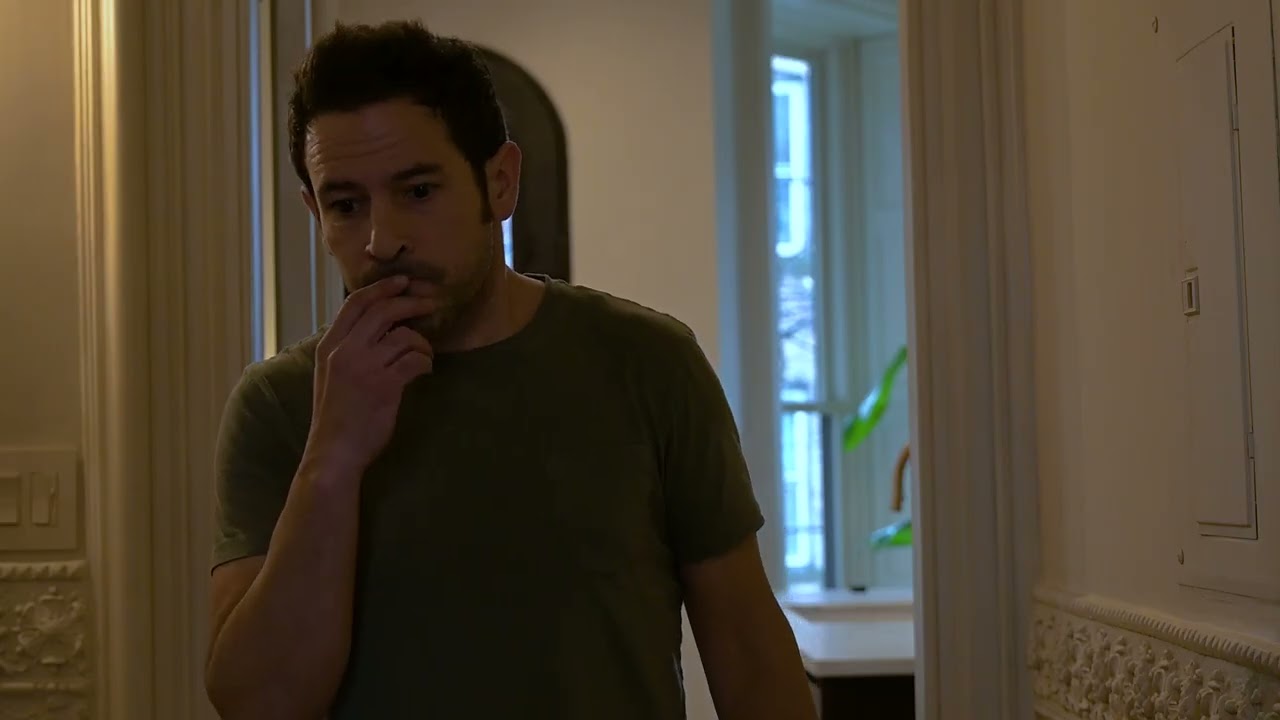
Based on Lois Lowry’s Newbery Medal–winning novel, THE GIVER follows Jonas, a boy living in a community that has erased emotion, conflict, and memory. When he learns the world’s hidden past, he begins to feel real emotions — and discovers the cost of maintaining “sameness.” The film offers a clear way to explore individuality, freedom, and what is lost in a tightly controlled society.
  • Why does Jonas’s community believe sameness creates safety?
  • How does Jonas change as he experiences memories and emotions?
  • What does the film suggest about free will and individuality?
  • How do rules and authority function in the community?
  • How do dystopian stories help students reflect on their world?
  • Language Arts: dystopian literature, themes, character development
  • Social Studies: governance, societal control, individual rights
  • Media Literacy: symbolism, visual storytelling, adaptation choices
  • SEL: empathy, decision-making, emotional expression

Path of the Panther Endangered Species

Set in the Florida wilderness, this film follows photographer Carlton Ward Jr. as he tries to capture the endangered Florida panther on camera while development threatens its last remaining habitat. Students see how conservation, land use, and community action shape the future of a species — and an entire ecosystem

  • What makes the Florida panther so difficult to study and protect?
  • How does habitat loss impact wildlife and communities?
  • What conservation strategies appear in the film?
  • How does human development shape ecosystem health?
  • What actions can communities take to protect endangered species?
  • Science: ecosystems, biodiversity, habitat fragmentation, endangered species
  • Social Studies: land use, environmental policy, conservation issues
  • Media Literacy: documentary structure, evaluating evidence and messaging
  • Career Readiness: wildlife biology, conservation science, field research

Good Night Oppy

This uplifting documentary tells the true story of Opportunity, the Mars rover that was expected to survive just 90 days—but explored the Red Planet for nearly 15 years. Blending science, engineering, and human storytelling, the film shows how perseverance and teamwork can achieve the impossible, inspiring students to see the real-world applications of STEM.

  • Robotics and Engineering Challenges: How do engineers design and operate rovers like Opportunity to survive and function on Mars? What are the key engineering challenges faced during space missions?
  • Scientific Discovery on Mars: What have rovers like Opportunity discovered about Mars’ environment and history? How do these discoveries impact our understanding of the planet and the potential for life?
  • Technology and Innovation in Space Exploration: How has technology evolved to aid space exploration, and what innovations were crucial for Opportunity’s success on Mars?
  • Problem Solving and Adaptability: In what ways did the team behind Opportunity have to adapt and solve unexpected problems during the mission? What does this say about the nature of scientific inquiry and exploration?
  • Robotics and Space Engineering: Good Night Oppy provides a practical illustration of robotics in space, aligning with curriculum on mechanical engineering and robotics. This includes discussions on how rovers are designed to handle the harsh Martian environment, which ties directly into physics and engineering standards.
  • Planetary Science: The film enhances understanding of planetary geology and Mars’ climatic conditions, supporting Earth science curriculum that covers planetary formations, atmospheres, and potential for life, thereby enriching students’ grasp of planetary science concepts.
  • Technology in Exploration: By showcasing the technological tools and innovations used in the Opportunity rover mission, the film complements lessons on technology’s role in scientific research and exploration, providing context for discussions on technological advancements in modern science curricula.


Mathematics:

  • Data Analysis and Problem Solving: Highlighting how scientists and engineers use mathematical models and data analysis to make decisions and solve problems during space missions, which supports mathematics standards focused on real-world applications of data interpretation and problem solving.


Social Studies and Technology:

  • Historical Impact of Space Exploration: Discuss the historical significance of Mars exploration and its impact on science and society. This supports social studies themes of technological advancements and their socio-economic effects.
  • Ethical and Practical Considerations: Engage students in discussions about the costs, benefits, and ethical considerations of space exploration, relevant to both social studies and science curricula focused on evaluating human activities’ impact on resources and environments.


STEM Integration:

  • Interdisciplinary Learning: Good Night Oppy serves as a catalyst for interdisciplinary learning, bridging science, technology, engineering, and math, encouraging students to see the interconnectedness of these disciplines through the lens of a real-world application in space exploration.

A Million Miles Away

Based on the remarkable true story of José Hernández, a migrant farmworker who dreamed of becoming a NASA astronaut, A MILLION MILES AWAY is a powerful tale of persistence, family, and the pursuit of opportunity. This inspirational film encourages students to see the value of hard work, education, and community support in achieving their goals.

  • Immigration and Identity: The film highlights the cultural, social, and economic challenges faced by José Hernández and his family, and the determination needed to overcome these barriers.

  • Resilience and Perseverance: José’s journey exemplifies resilience and determination in pursuing one’s dreams despite setbacks.

  • Inside NASA: Provides a unique look at NASA, showcasing the rigorous training and preparation required to become an astronaut.

  • Diversity and Inclusion: Highlights the need for inclusivity in STEM fields, underscoring the importance of including women and people of color in space exploration.

  • Socio-Emotional Learning: Through José’s story, students explore themes of self-awareness, self-management, and responsible decision-making.

Science and Technology:

  • Inspiration in STEM Education: A Million Miles Away showcases the story of José Hernández, an astronaut who came from a background of migrant farm work, highlighting the importance of perseverance and determination in achieving STEM careers. This narrative can motivate students to pursue their interests in science and technology, providing a relatable and inspiring context that enhances lessons on space science and engineering principles.
  • Space Exploration and Scientific Inquiry: By detailing José’s journey to becoming an astronaut, the film enhances students’ understanding of the scientific challenges and innovations in space exploration, complementing curriculum topics related to Earth and space sciences.


Social Studies:

  • Cultural Diversity and Immigration: The film’s exploration of José’s Mexican heritage and his family’s background in agriculture offers a vivid example of how immigrants shape and enrich local and national communities. This ties into social studies discussions about the contributions of diverse groups to societal development and cultural richness.
  • Understanding Global Perspectives: José’s story provides a platform for discussing broader issues of global interconnectivity and the universal themes of striving for better life conditions, pertinent to topics in geography and global studies.


Social and Emotional Learning (SEL):

  • Resilience and Goal Setting: José’s personal journey, from the fields to the stars, underscores key SEL competencies such as resilience, goal setting, self-management, and perseverance. The narrative helps students connect these competencies to real-life applications, demonstrating how personal qualities can drive success and fulfillment.
  • Emotional Intelligence: The challenges and triumphs José experiences offer insights into managing emotions and setbacks, fostering discussions on emotional intelligence and its impact on personal and academic achievements.


Language Arts and Media Literacy:

  • Analyzing Narrative and Media as Text: Students can engage in analyzing the film’s narrative structure, character development, and thematic elements, treating the film as a text to develop critical thinking and analytical skills. This approach supports language arts standards focused on text analysis and interpretation.
  • Reflective Discussions and Critical Viewing: The film provides a basis for reflective discussions and writing exercises that help students articulate their thoughts on the film’s messages and themes. This practice enhances media literacy, enabling students to evaluate the effectiveness of visual and narrative techniques in conveying complex ideas.


Incorporating “A Million Miles Away” into the curriculum offers a multifaceted educational experience, enriching students’ understanding of key academic and life skills. Additional educational resources are available to further support exploration of these important themes and curriculum connections.

The Boy Who Harnessed the Wind

In rural Malawi, a resourceful teenager uses his ingenuity and knowledge of science to build a windmill and save his village from famine. THE BOY WHO HARNESSED THE WIND is a moving story of creativity, problem-solving, and resilience, perfect for sparking discussions in STEM, environmental studies, and global awareness.

  • Innovation and Resourcefulness: How did William Kamkwamba create a wind turbine from limited resources? What does this tell us about innovation under constraints?
  • Sustainable Energy Solutions: What role can sustainable energy solutions like wind turbines play in rural and underdeveloped areas? How do these solutions impact community resilience and development?
  • Education and Self-Learning: How did William’s pursuit of knowledge and self-education lead to his success? What does this say about the power and value of education in achieving personal and community goals?
  • Cultural and Community Impact: How did William’s project affect his family and community? What challenges did he face in convincing his community of the benefits of his innovations?
  • Environmental Impact: What are the environmental implications of using wind energy compared to traditional energy sources? How does this relate to broader environmental and sustainability issues?
  • Science (Physics, Environmental Science):
    • Renewable Energy and Engineering: The Boy Who Harnessed the Wind provides a practical example of applying physics and engineering principles to create sustainable energy solutions, aligning with science curriculum on energy sources and their impacts.
    • Environmental Science and Sustainability: The film’s focus on sustainable development through renewable energy offers a real-world application of environmental science topics, such as ecosystem impact, sustainability practices, and conservation.

    Technology and Engineering Education:

    • Problem-Solving and Innovation: The innovative process of building a wind turbine from scrap materials exemplifies creative problem-solving and engineering design, which are core components of technology and engineering education.

    Social Studies (Geography, Economics):

    • Economic Development and Resource Management: Explore how technological innovations, like the windmill, can drive economic development and improve living conditions in rural areas, supporting discussions in geography and economics about resource management and sustainable development.
    • Cultural Perspectives and Global Awareness: Understanding the cultural context of Malawi and how local innovations can have global implications ties into social studies themes of global interdependence and cultural diversity.

    Language Arts:

    • Narrative Analysis and Interpretive Skills: Students can analyze the storytelling techniques and narrative structure of the film to understand character development, theme exploration, and the filmmaker’s message, enhancing their literary and critical thinking skills.
    • Expository Writing and Communication: Discuss and write about the themes of perseverance, community impact, and technological innovation presented in the film, which helps students refine their expository writing and communication skills.

    Civics and Ethics:

      • Community Action and Civic Engagement: The film illustrates how individual actions, like those of William, can lead to significant community benefits, providing a context for discussions on civic responsibility and community-based problem-solving.
      • Ethical Considerations in Technological Development: Evaluate the ethical dimensions of implementing new technologies in traditional settings, which is relevant for civics education focusing on ethics and innovation.


  • This comprehensive approach highlights The Boy Who Harnessed the Wind not only as an inspiring story but also as a multifaceted educational tool that enhances learning across several curriculum areas.


Sign In